






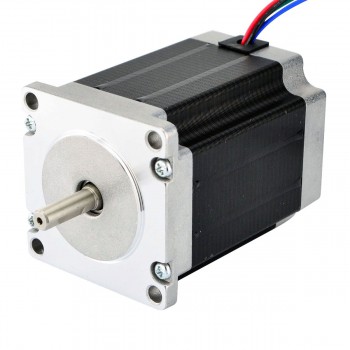
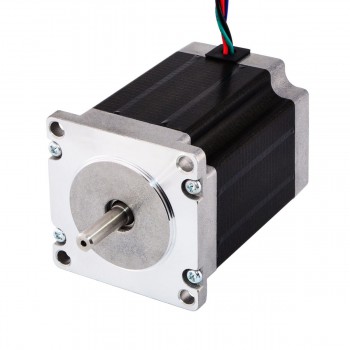
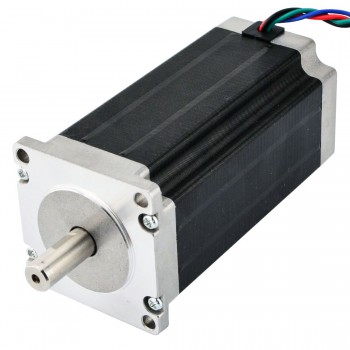
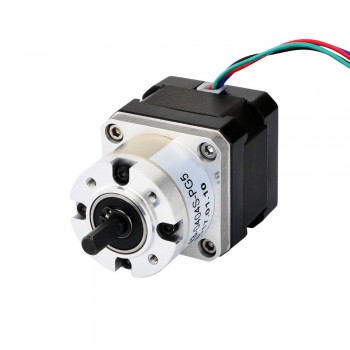
The difference Bettween 1-phase, 2-phase and 3-phase Motor
Electric motors convert electrical energy into mechanical rotation through electromagnetic interaction. Motor design, winding arrangement, and connection method depend on the type of electrical supply used with the motor.
Single-phase motor
A single-phase motor is designed to operate from a single-phase AC power supply. The stator and starting method are configured for that supply type. Depending on the motor design, auxiliary components such as a capacitor, starting switch, or related circuit elements may be used.
Electrical ratings, terminal arrangement, and starting method vary by model and should be confirmed from the product specification.
Two-phase motor
A two-phase motor is designed for a two-phase electrical supply in which the phase voltages are displaced by 90 electrical degrees. The stator winding arrangement is designed to match that supply format.
Connection requirements, conductor arrangement, and operating characteristics depend on the specific motor design and the electrical system used with the motor. Wiring should be confirmed from the motor technical documentation and the associated control or supply documentation.
Three-phase motor
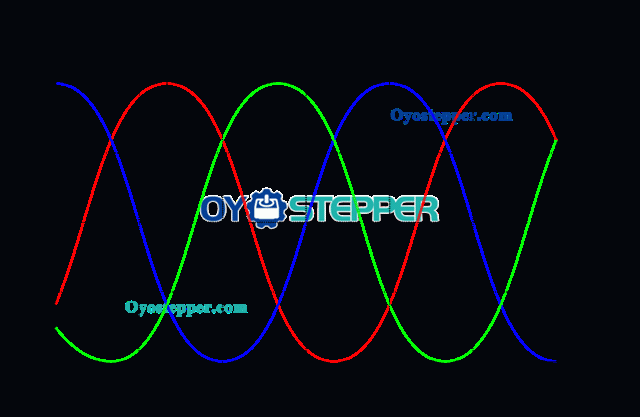
A three-phase motor is designed to operate from a three-phase AC power supply. In this configuration, the stator windings are supplied by three phase conductors with defined phase displacement, producing rotary motion through electromagnetic interaction.
Voltage rating, frequency rating, terminal configuration, and conductor requirements depend on the motor design and the installation method. The presence or absence of a neutral conductor depends on the electrical system and the equipment connection design.
Some electric motors can operate in generating mode when driven by an external mechanical source, depending on motor type, circuit configuration, and operating conditions.
Supply and installation notes
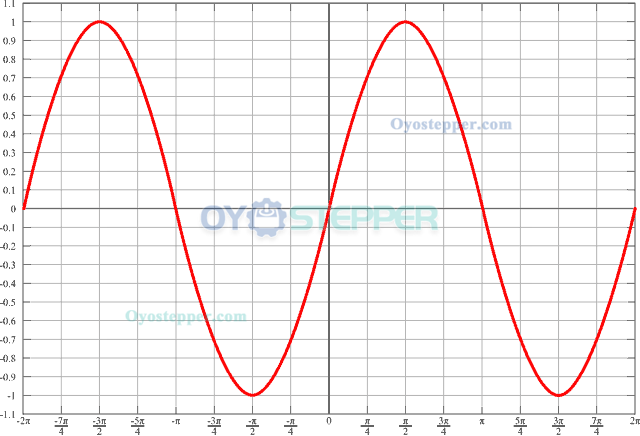
The distinction between single-phase, two-phase, and three-phase motors is based on the electrical supply format and the winding arrangement designed for that supply.
For a specific motor, confirm the following:
Supply type
Rated voltage
Rated frequency
Terminal or wiring diagram
Starting method
Grounding requirements
Compatibility with the intended electrical installation
Cable selection and conductor arrangement depend on the product specification, local electrical requirements, and the installation design.
Previous:Industrial Applications of NEMA 42 Stepper Motor
Next:Tips on Wiring a step motor to a driver
