





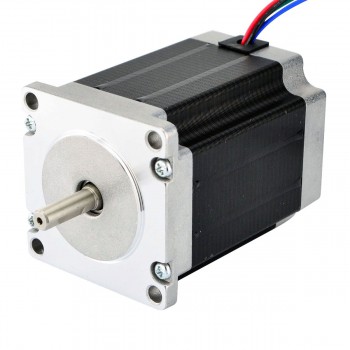
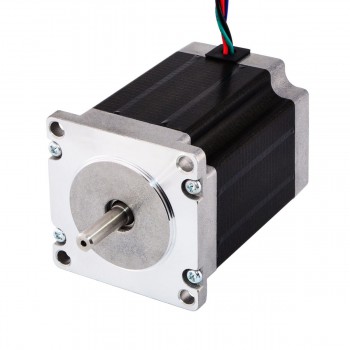
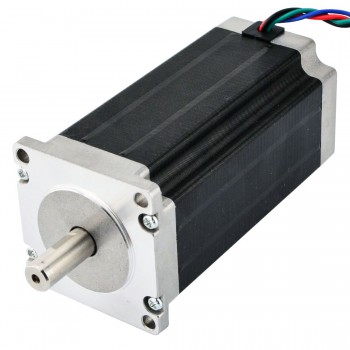
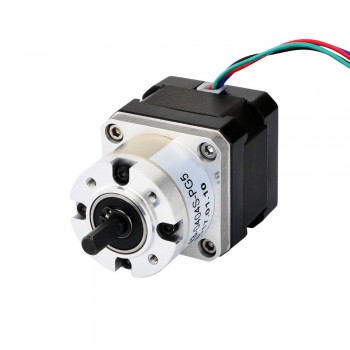

DC Gear Motor
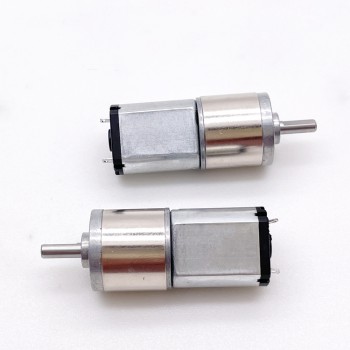
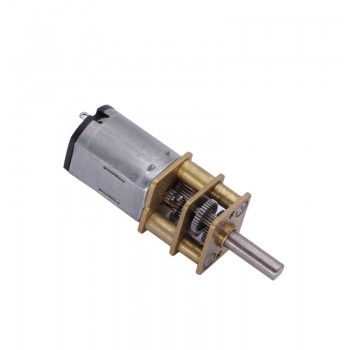
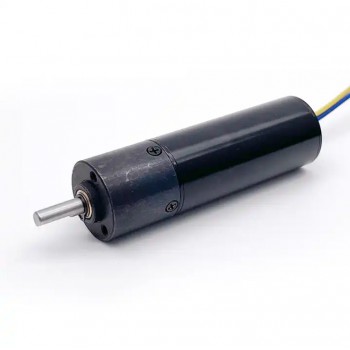
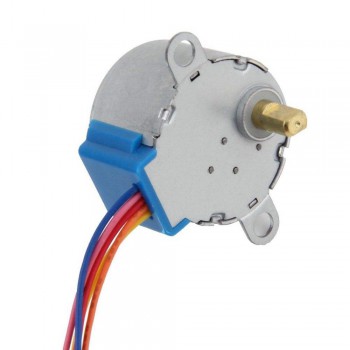
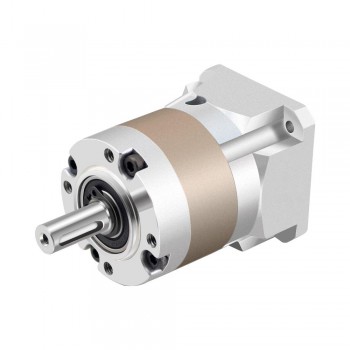
DC gear motors integrate a direct current motor with a reduction gearbox in a single assembly. By incorporating gear reduction within the housing, the output shaft speed is lowered while torque at the shaft is proportionally increased compared to the standalone motor. This configuration is commonly selected where controlled low-speed operation and compact installation are required.
Gear reduction ratios, frame dimensions, and electrical characteristics differ by model series. Many compact DC gear motors are designed for low-voltage operation such as 12V or 24V systems, although other voltage options may be available. Actual output speed and torque depend on the selected gear ratio and motor rating; performance data should be reviewed using the manufacturer's published specifications and load curves.
Mechanical configurations vary and may include face mounting, flange mounting, or base mounting styles. Output shafts are typically available in round, keyed, or D-shaft formats to accommodate different coupling methods. Prior to installation, confirm that mounting dimensions, shaft alignment, and torque ratings match the driven mechanism requirements.
Typical uses include vending equipment, access control mechanisms, coin-handling systems, compact actuators, and small-scale automation assemblies. Suitability for a given application should be evaluated based on operating speed, required torque under load, duty cycle, and ambient temperature conditions as defined in the product documentation.
Subcategories