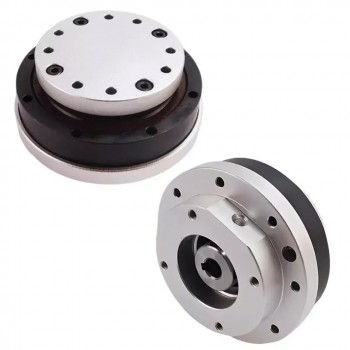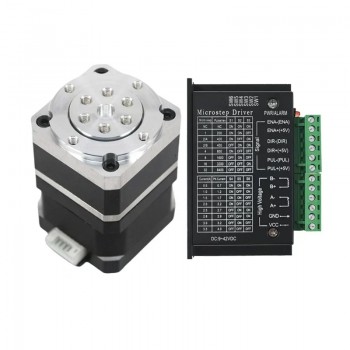







Harmonic Reducer Gearbox
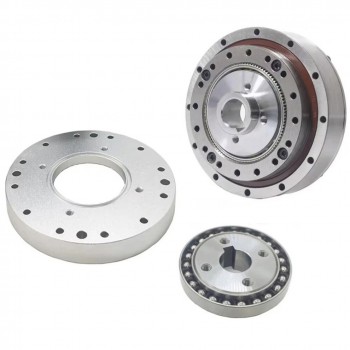
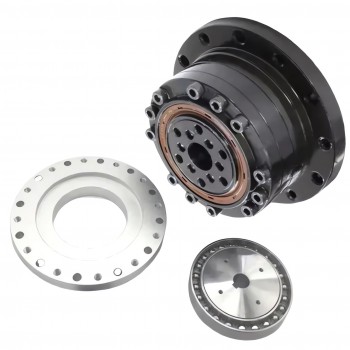
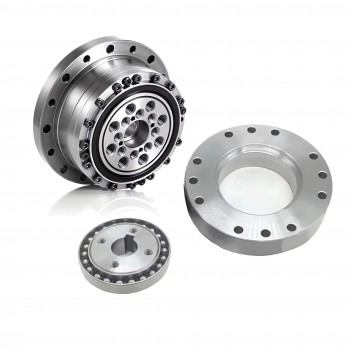
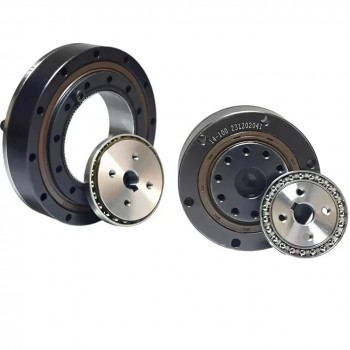
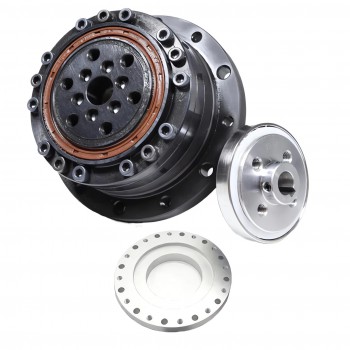
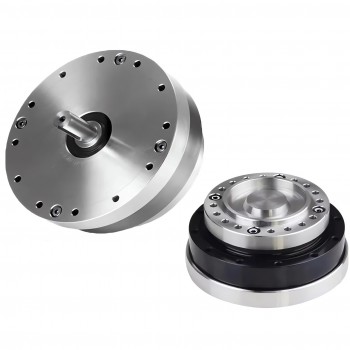
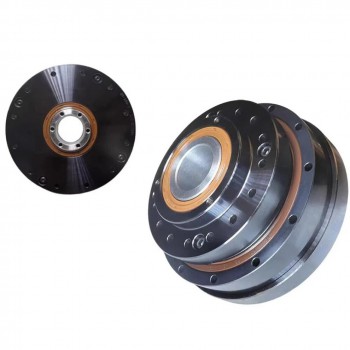
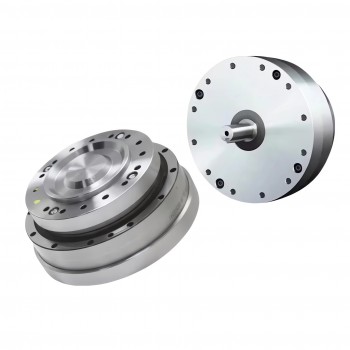
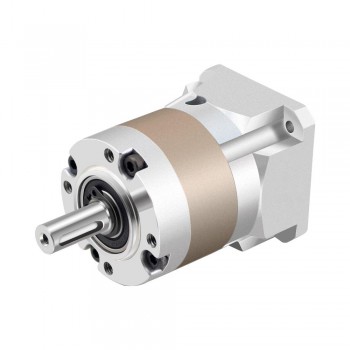
A harmonic drive gearbox (also called a harmonic reducer gearbox) is a compact speed reducer that transfers motion through controlled elastic deformation. The mechanism is built around three key parts: a wave generator, a spline (flexspline), and a circular spline. As the wave generator turns, it slightly reshapes the flexspline so the contact zone moves around the ring. That is how a high reduction ratio is achieved in a small package, which is why this style is often chosen when the drive has to fit into a tight mechanical envelope.
For selection, ignore marketing language and work from the axis requirements. Start with the target reduction ratio, then check the real torque profile—accelerations, reversals, dwell time, and how often the cycle repeats. Next, verify the allowable loads (radial, axial, and moment), maximum input speed, and duty cycle limits for the exact model. Backlash of harmonic reducer gearbox is usually low, but the value depends on series, preload, alignment, and wear, so the datasheet and outline drawing are the references that matter.
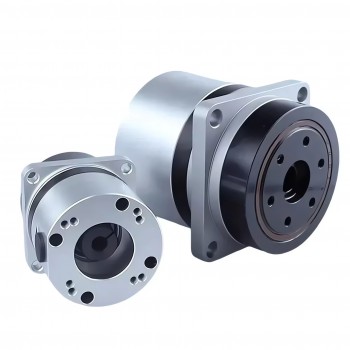
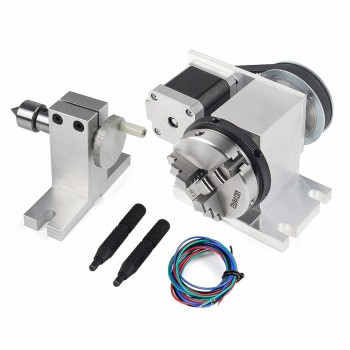
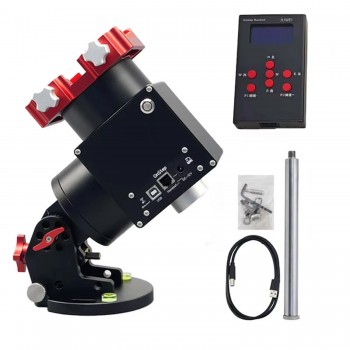
Harmonic drive reducers are commonly used in robot joints, compact CNC subassemblies, inspection stages, and servo-driven automation requiring short length and controlled output. They also appear in specialized mechanisms for aerospace and laboratory projects when the end application requires additional qualification. If you share the ratio, torque curve, mounting constraints, and expected run time, we can narrow the choices and avoid sizing a gearbox larger than the job needs.