






AC Gear Motor
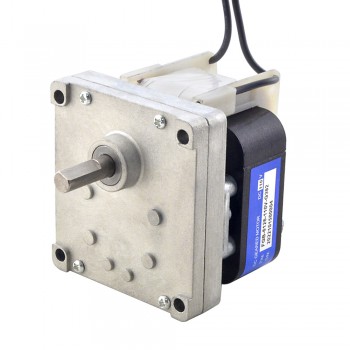
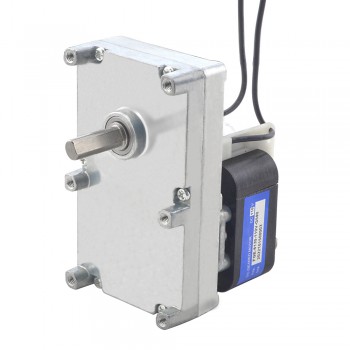
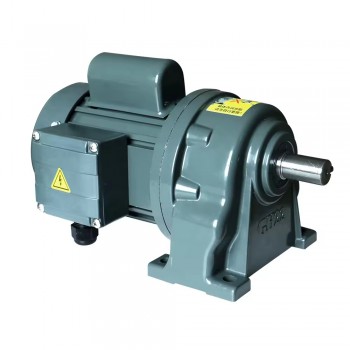
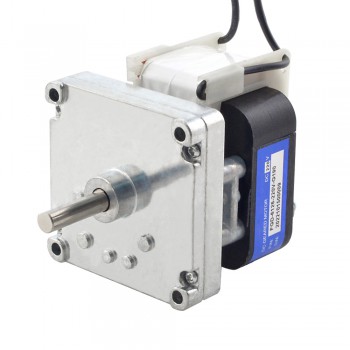
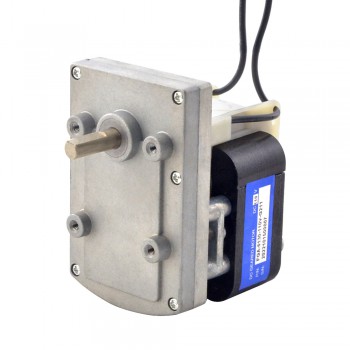
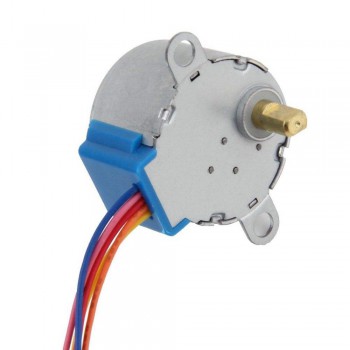
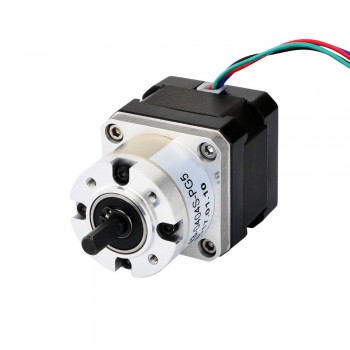
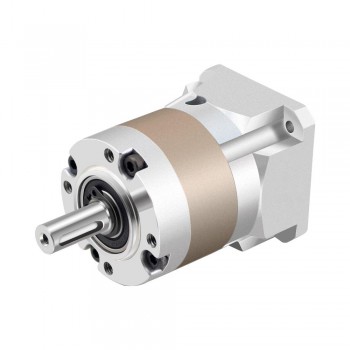
An AC gear motor is an AC motor paired with a gearbox. The motor provides the rotation, and the gearhead converts that rotation for machine applications—typically delivering lower output speed and higher usable torque based on the selected reduction ratio.
Many AC gear motors run at common nominal speeds such as 1,200–3,600 RPM depending on supply frequency and motor pole count. When combined with a gearbox, output speed drops according to the ratio while shaft torque increases accordingly (within the motor and gearbox rated limits). This is why AC gear motors are commonly found in equipment requiring repeatable motion rather than high free-running speeds.
Unlike brushed DC designs, most AC gear motors use motor types without a brush-and-commutator assembly, which can reduce brush-related wear and maintenance. Actual performance depends on the specific motor type (shaded-pole, induction, or other designs), gearbox style, lubrication, mounting, and duty cycle.
When selecting an AC gear motor as a replacement, begin with the basics: voltage and frequency (50/60 Hz), required output RPM, rated torque, shaft size, mounting pattern, and whether side loads will be applied to the output shaft. Common applications include appliance mechanisms, small conveyors, positioning and lifting fixtures, adjustable equipment, jacks, and compact robotic assemblies—provided the model is sized appropriately for the load and operating cycle.
If you share your target speed, required torque, duty cycle, and mounting details, we can help identify AC gear motor or shaded-pole motor options that match your requirements.