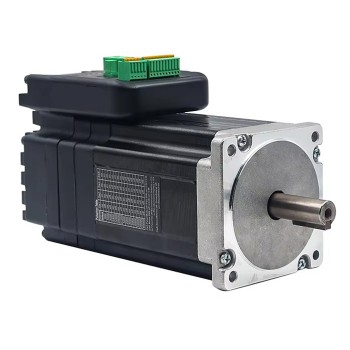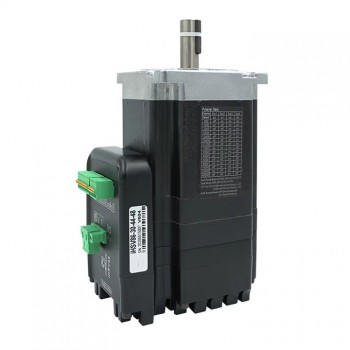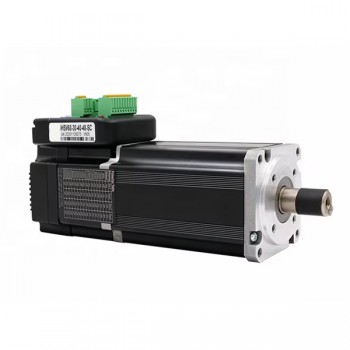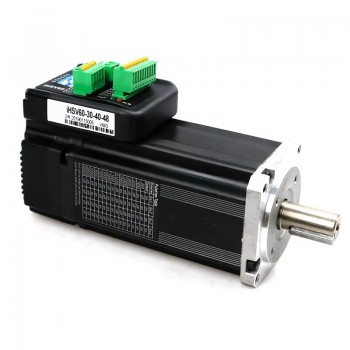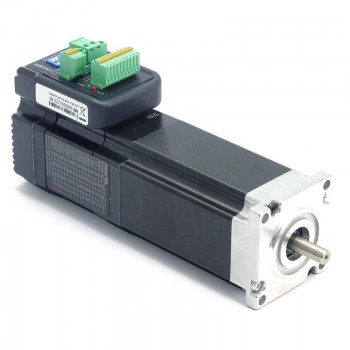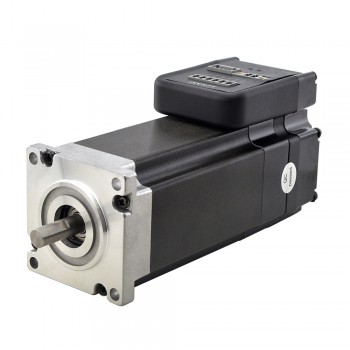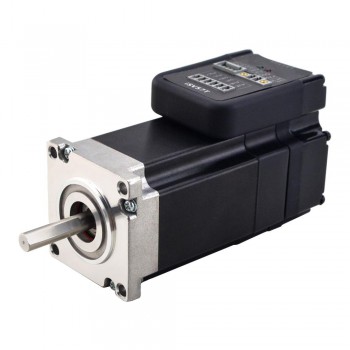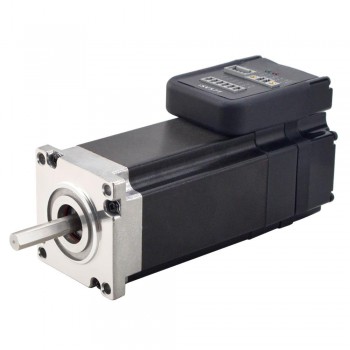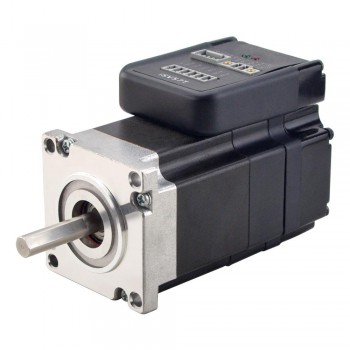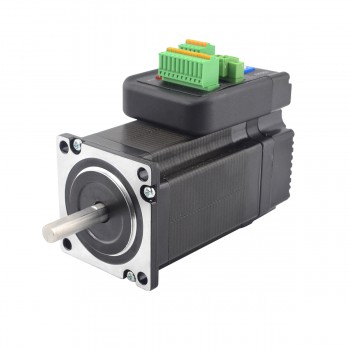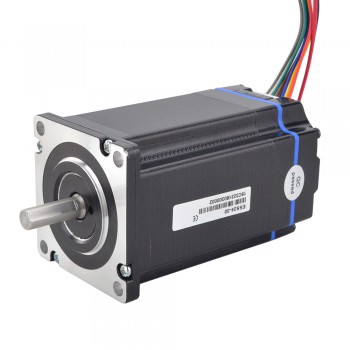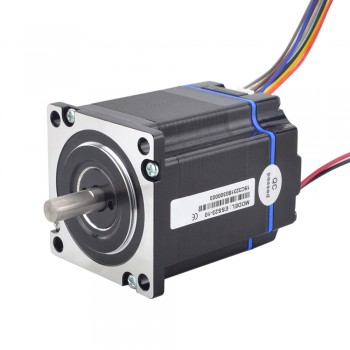






Servo Motors
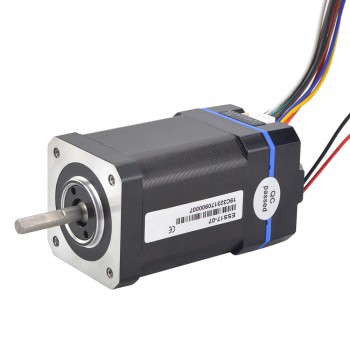
A servo motor operates within a closed-loop system. An encoder or resolver provides position and speed feedback to the drive, which adjusts the current to achieve the commanded motion. Command interfaces vary by model and may include pulse/direction, analog voltage, or industrial fieldbus protocols.
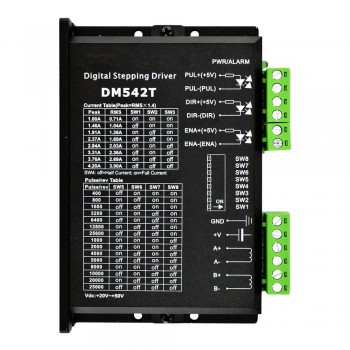
Servo motors are used in applications requiring defined motion control. Rated torque, speed, and efficiency are model-dependent and vary with operating conditions. Selection should be based on the torque-speed curve for the specific model under the intended operating point and duty cycle. Efficiency for certain models under specific load and speed conditions may be in the 80–90% range; refer to the product datasheet for confirmed values. Servo motors are available with AC or DC supplies and require a compatible drive. Control input types vary by product series and should be verified against the system controller.
Applications include industrial robotics, CNC machines, and automated systems where controlled motion is required. Servo systems are generally higher in cost than stepper motor systems; the choice between them depends on the application's performance requirements and system design.
Subcategories