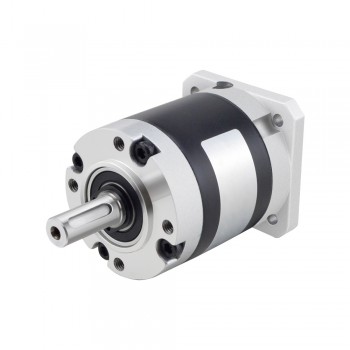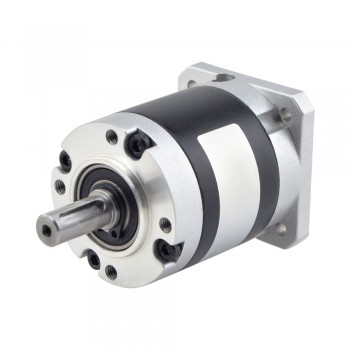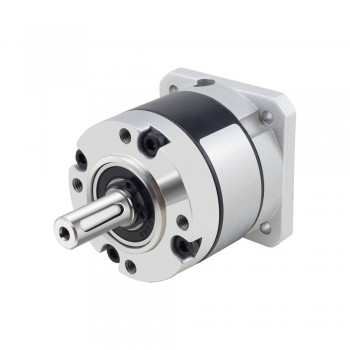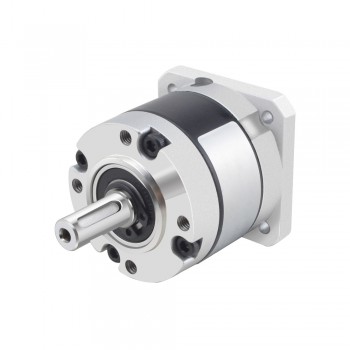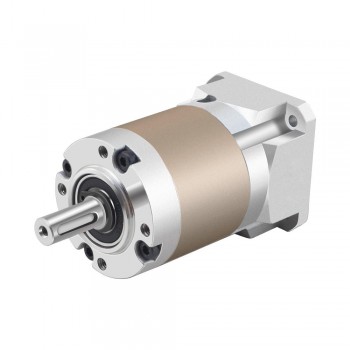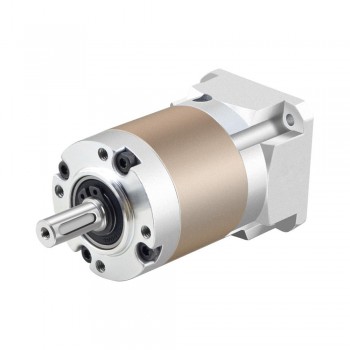





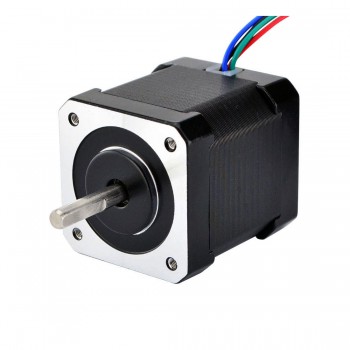
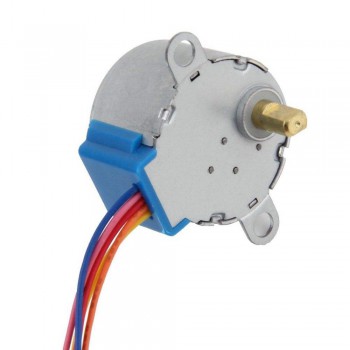

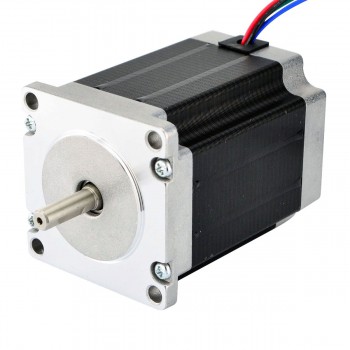
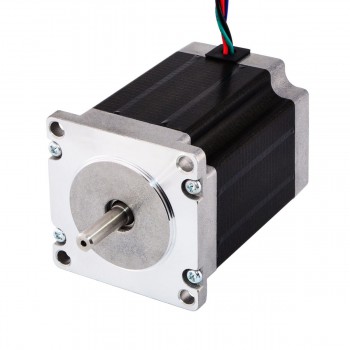

Nema 17 Planetary Gearbox
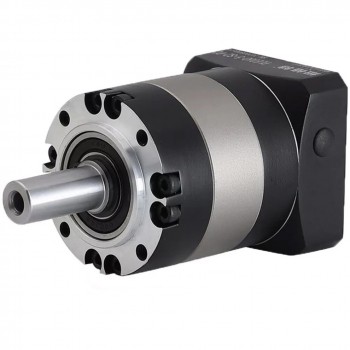
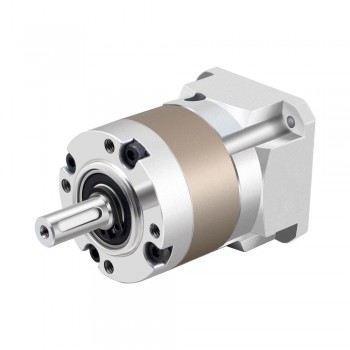
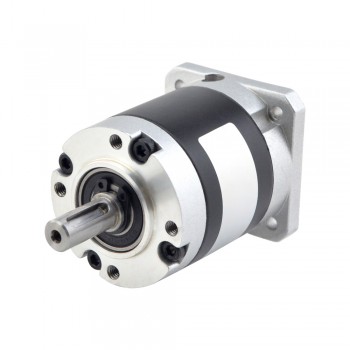
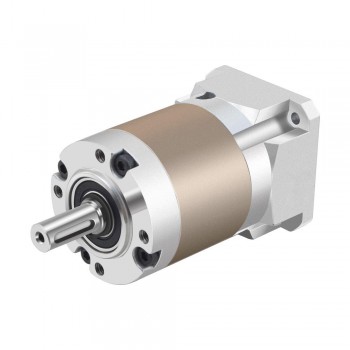
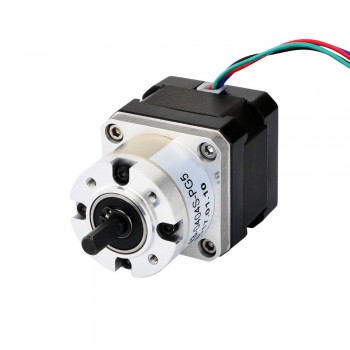
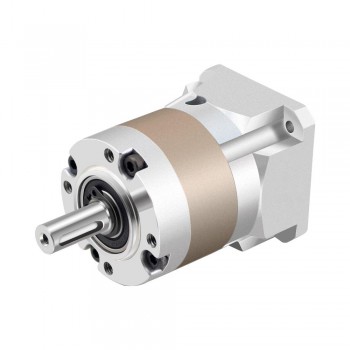
A NEMA 17 planetary gearbox is a compact reduction stage designed to mount to NEMA 17 stepper motors. Using a planetary gear train, it reduces output speed and provides torque multiplication based on the selected ratio (within gearbox efficiency and rated limits). This format is commonly used in compact motion assemblies for automation, robotics, and positioning mechanisms.
How does it work?
Inside the gearbox, a sun gear on the motor shaft drives multiple planet gears that run inside a ring gear. As the planets rotate and orbit the sun gear, the carrier transfers the reduced-speed output to the gearbox shaft. Because load is shared across several gear contacts, a planetary layout can provide higher torque capacity in a small envelope when the gearbox is correctly sized for the duty cycle.
Design Features
Planetary gearboxes are often specified when installation space is limited and a fixed reduction stage is required. Load sharing across multiple planet gears can reduce stress on individual teeth compared with single-mesh layouts. Ratio options vary by product series, allowing the speed/torque trade-off to be matched to the application. Long-term results depend on lubrication condition, shaft alignment, operating speed, duty cycle, and ambient temperature.
Selection Considerations
Key items to review include rated output torque, reduction ratio, backlash, shaft style, mounting pattern, and allowable radial and axial loads. Backlash and load ratings can differ by ratio and bearing arrangement, so the model table and outline drawing should be used for confirmation. Also verify input speed limits and thermal rise for continuous-duty operation. Environmental factors such as temperature range and contaminant exposure should be considered, along with lubrication type, load inertia, and expected service cycle. For verification, refer to the manufacturer’s drawings and specifications for the exact model.
Typical Applications
NEMA 17 planetary gearboxes are commonly used in 3D printers, compact CNC or engraving mechanisms, automated assembly fixtures, and small positioning stages where controlled speed reduction is required and installation space is limited.