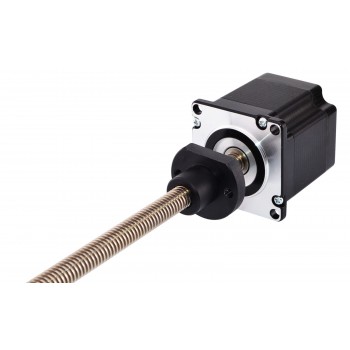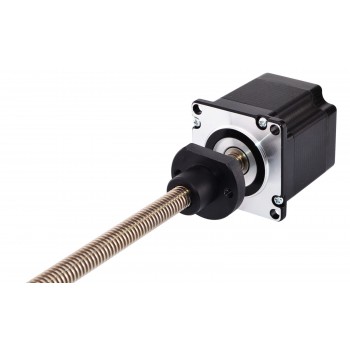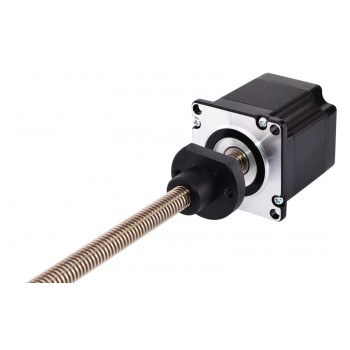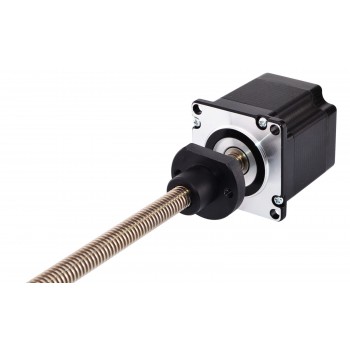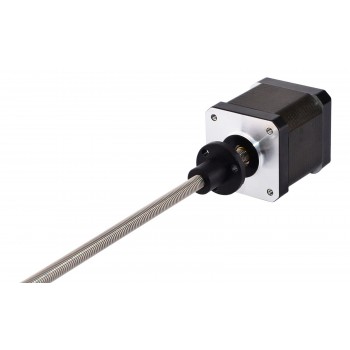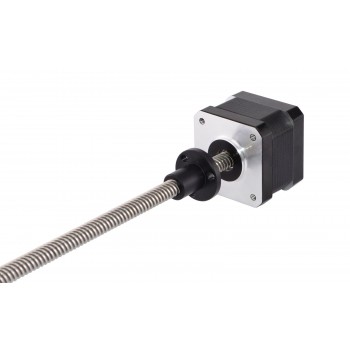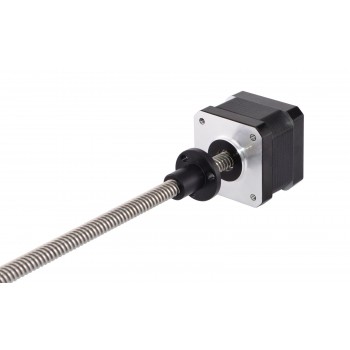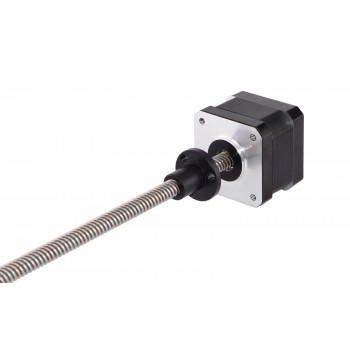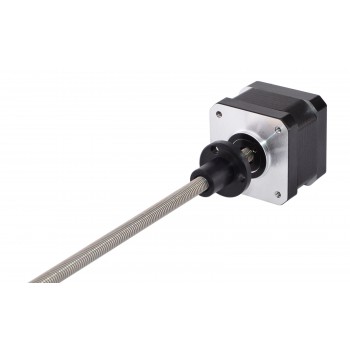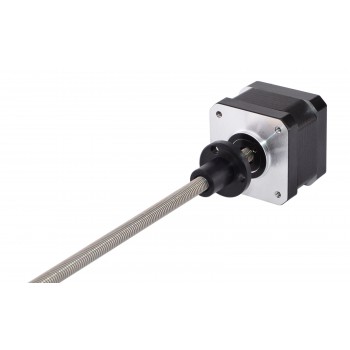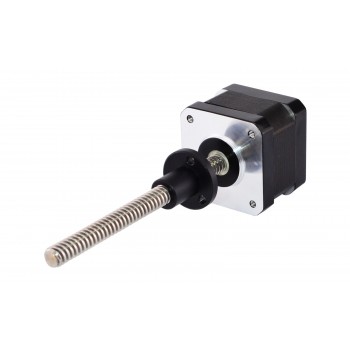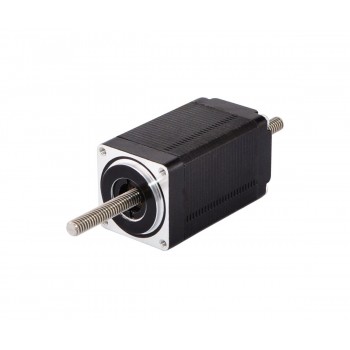






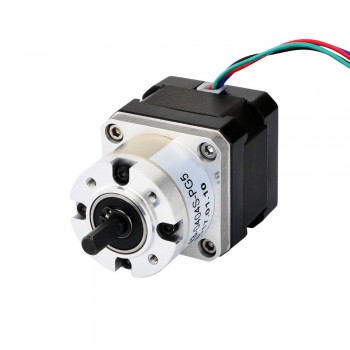
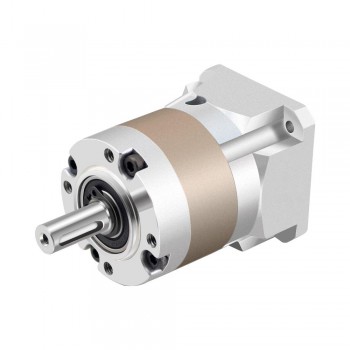
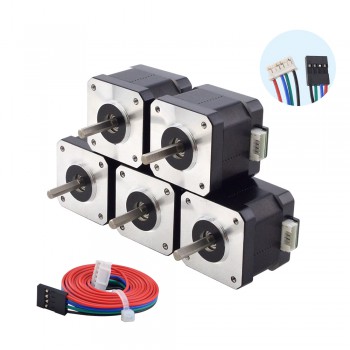

Linear Stepper Motor
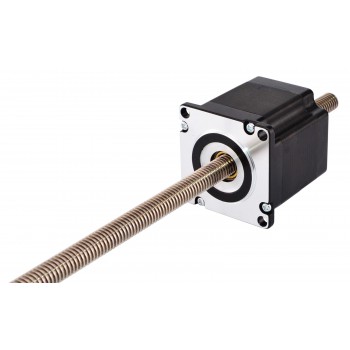
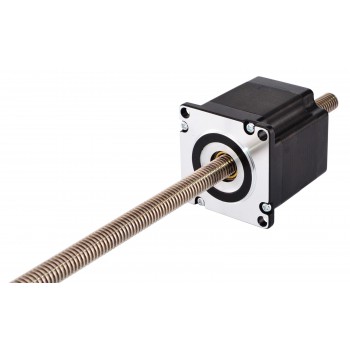
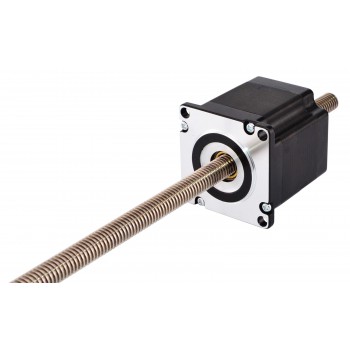
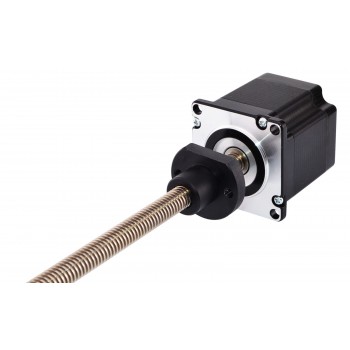
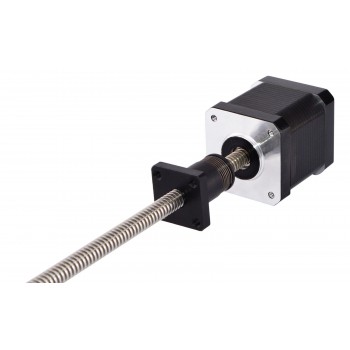
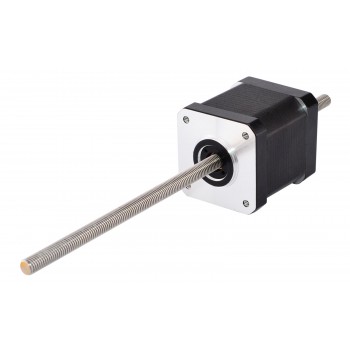
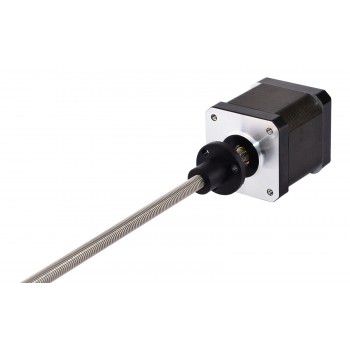
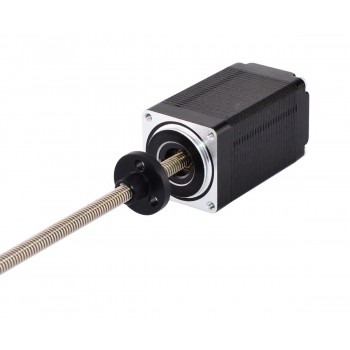
A linear stepper motor actuator combines a stepper motor with a lead screw so the motor's rotation is turned into linear travel at a nut or moving carriage. Each command step advances the screw/nut by a fixed increment defined by the motor step angle, the drive settings, and the screw lead. Positioning results depend on the load path, the linear guidance, and the overall installation accuracy.
Because the screw is built into the stepper linear actuator, some machine layouts can avoid an external belt drive or a separate screw assembly. Whether that approach works well depends on stroke length, side loads, and how the axis is supported—lead screws are not intended to carry meaningful radial loads without guides and bearings. Travel speed and usable resolution are mainly set by step angle, microstepping, and screw pitch. Available thrust is influenced by motor/driver current, screw efficiency, and the duty cycle.
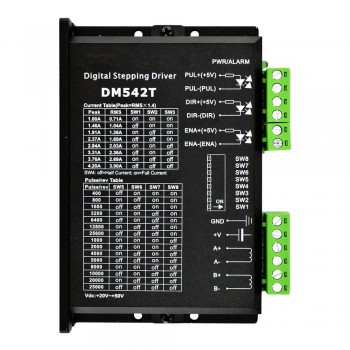
When selecting a stepper motor linear actuator, start with required stroke, screw lead, target thrust, and duty cycle. Then confirm driver compatibility, mounting pattern, shaft/screw details, and the operating environment (dust, temperature, lubrication needs). These actuators are often used in 3D printers, lab and measurement equipment, compact automation fixtures, optical positioning modules, sample handling mechanisms, packaging stations, and inspection setups where guided linear motion is needed in a limited space.
Subcategories