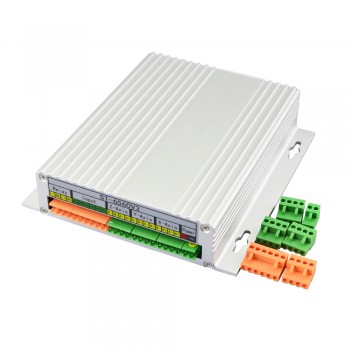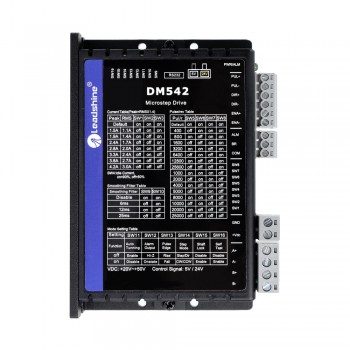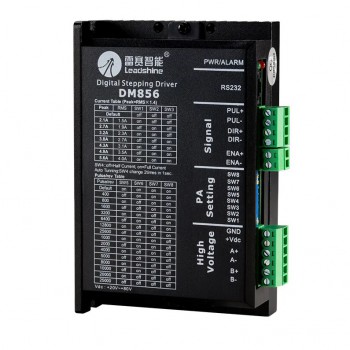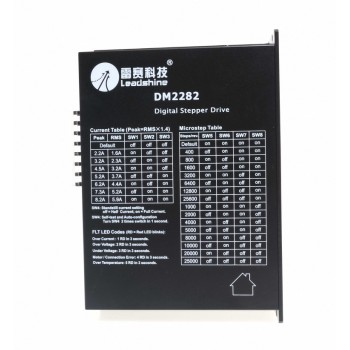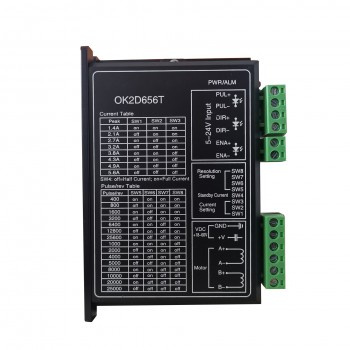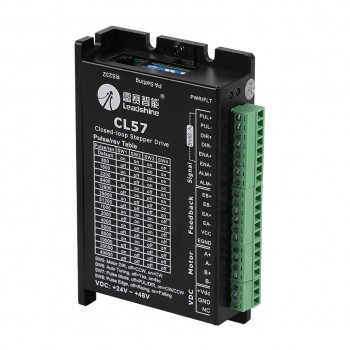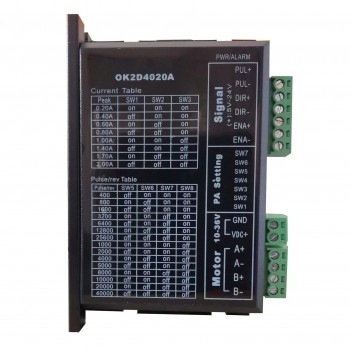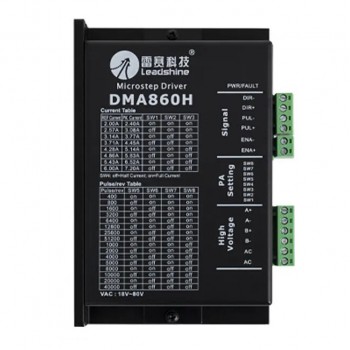






Stepper Motor Driver
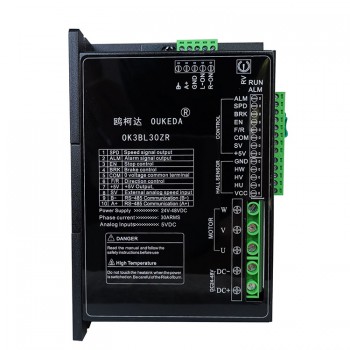
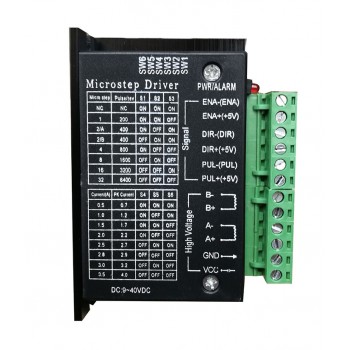
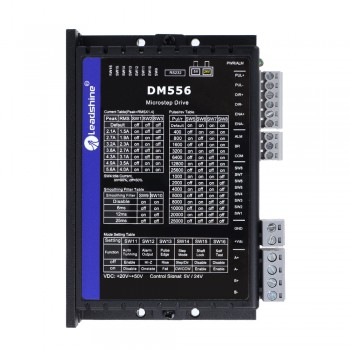
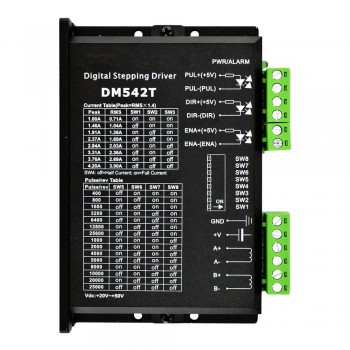
A stepper motor driver is the interface between a motion controller and a stepper motor. It converts command signals into controlled phase current, energizing the motor windings in a defined sequence. The regulation of current and timing determines how the motor rotates and responds to input pulses.
When selecting a driver, verify these electrical parameters first:
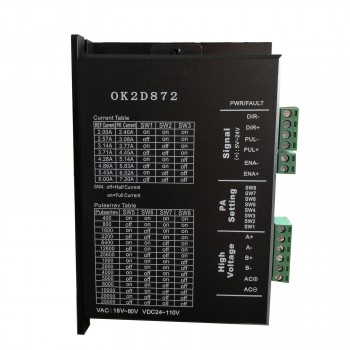
- Maximum output current (A)
- Input voltage range
- Supported motor phase configuration
- Available microstep settings
The stepper driver's rated current should match the motor's phase current specification. Operating outside the rated range may affect motor temperature and performance.
Microstepping divides each full step into smaller increments. The selected setting should align with the motion requirements of the system and the electrical limits of the motor.
Some models include built-in protection such as overcurrent shutdown, overvoltage monitoring, or thermal protection. These functions depend on the specific stepper motor driver design and must be confirmed in the product documentation.
Thermal management should be considered when the driver operates near its rated current. Installation space, airflow, and mounting surface all influence operating temperature.
Typical integration areas include CNC equipment, 3D printers, robotics assemblies, and general automation systems where step pulse control is used.
Subcategories