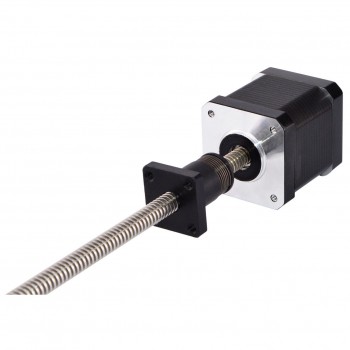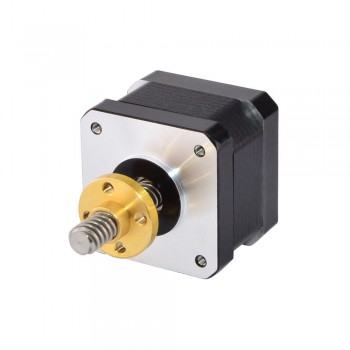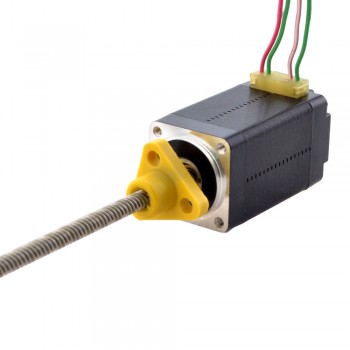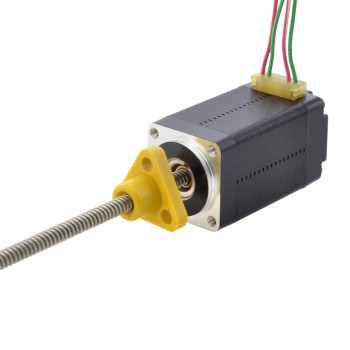






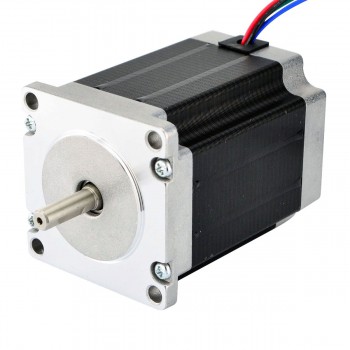
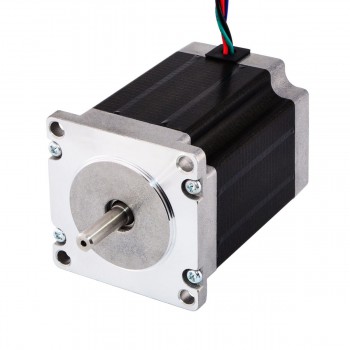
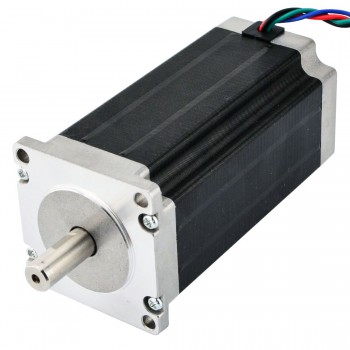
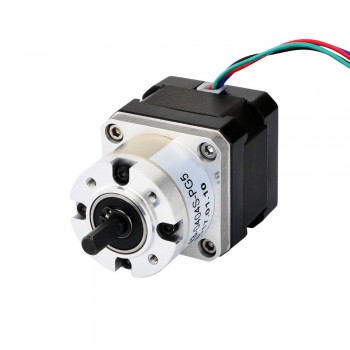

External Linear Stepper Motor
Linear stepper motor actuators generate linear motion using a stepper motor combined with a lead screw mechanism. These units are commonly specified for positioning tasks where stepper-based control and mechanical design are preferred. Positioning accuracy depends on screw type, microstepping settings, load conditions, and the guidance method employed in the system.
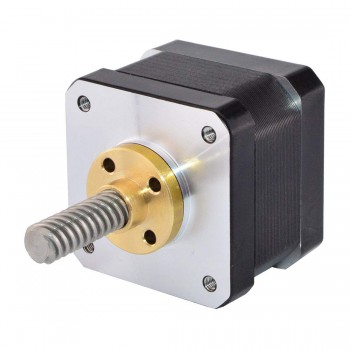
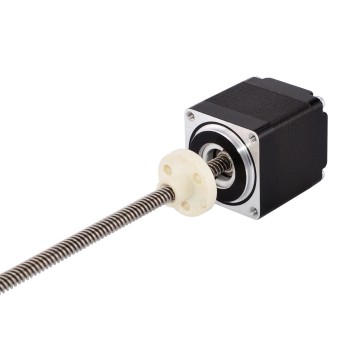
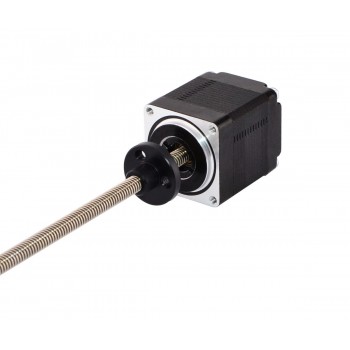
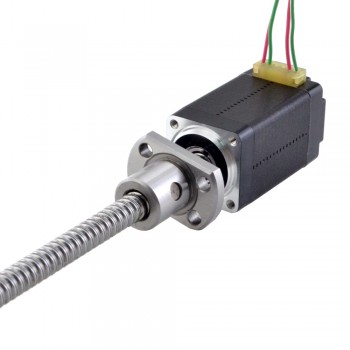
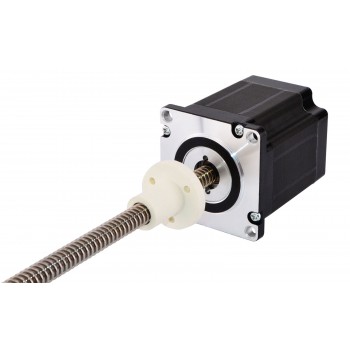
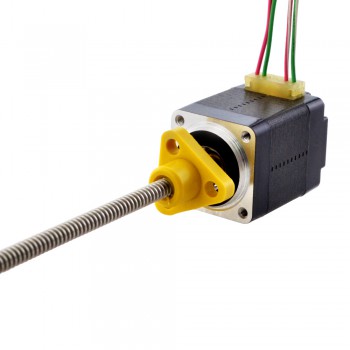
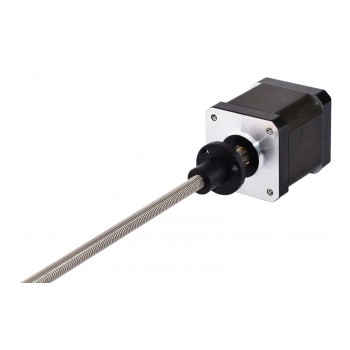
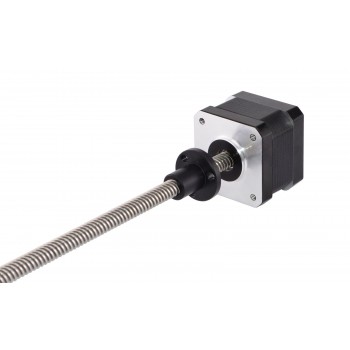
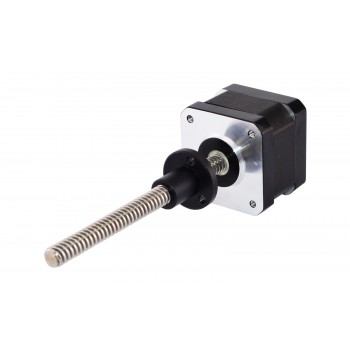
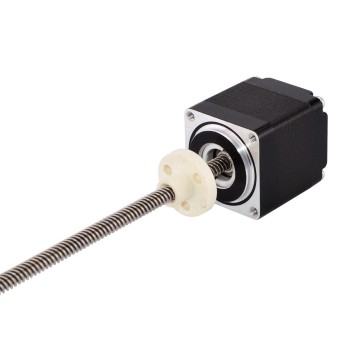
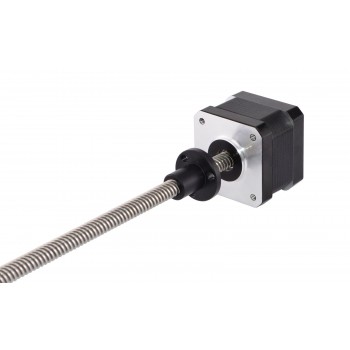
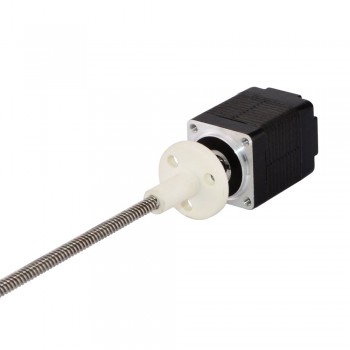
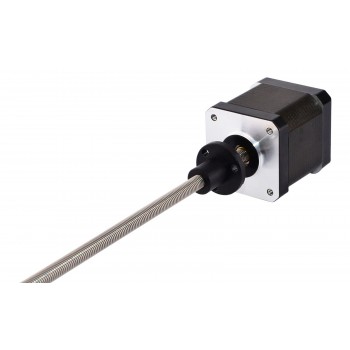
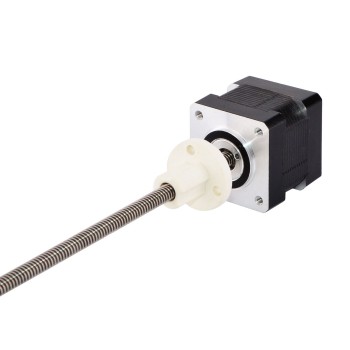
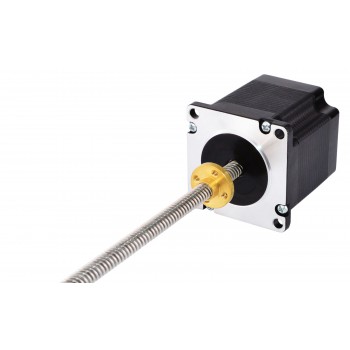
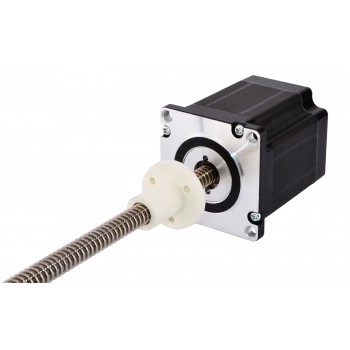
In an external linear stepper motor actuator design, the motor typically incorporates a hollow shaft with one end of the lead screw integrated into the motor while the nut remains outside the motor housing. As the motor rotates, the screw turns and advances the nut—along with attached load—along the screw axis. In this arrangement, the free end of the screw is not supported by the motor. This configuration suits lighter loads and shorter stroke lengths, though many applications require additional support for the screw end and a linear guide to manage radial loads.
In certain automation setups, a linear stepper actuator may serve as an alternative to a pneumatic cylinder, depending on force requirements and the intended motion profile. Typical configurations offer strokes in the range of 60–500 mm, varying by model. On longer screws, resonance may appear at certain speeds or positions, potentially affecting noise levels. Drive parameters such as microstepping and controlled acceleration/deceleration profiles can help mitigate these effects, and adding bearing support at the screw end may further improve stability.
For selection guidance on captive, non-captive, or external linear stepper motor actuator types, please contact our application team with your required stroke, load, speed, and mounting constraints.